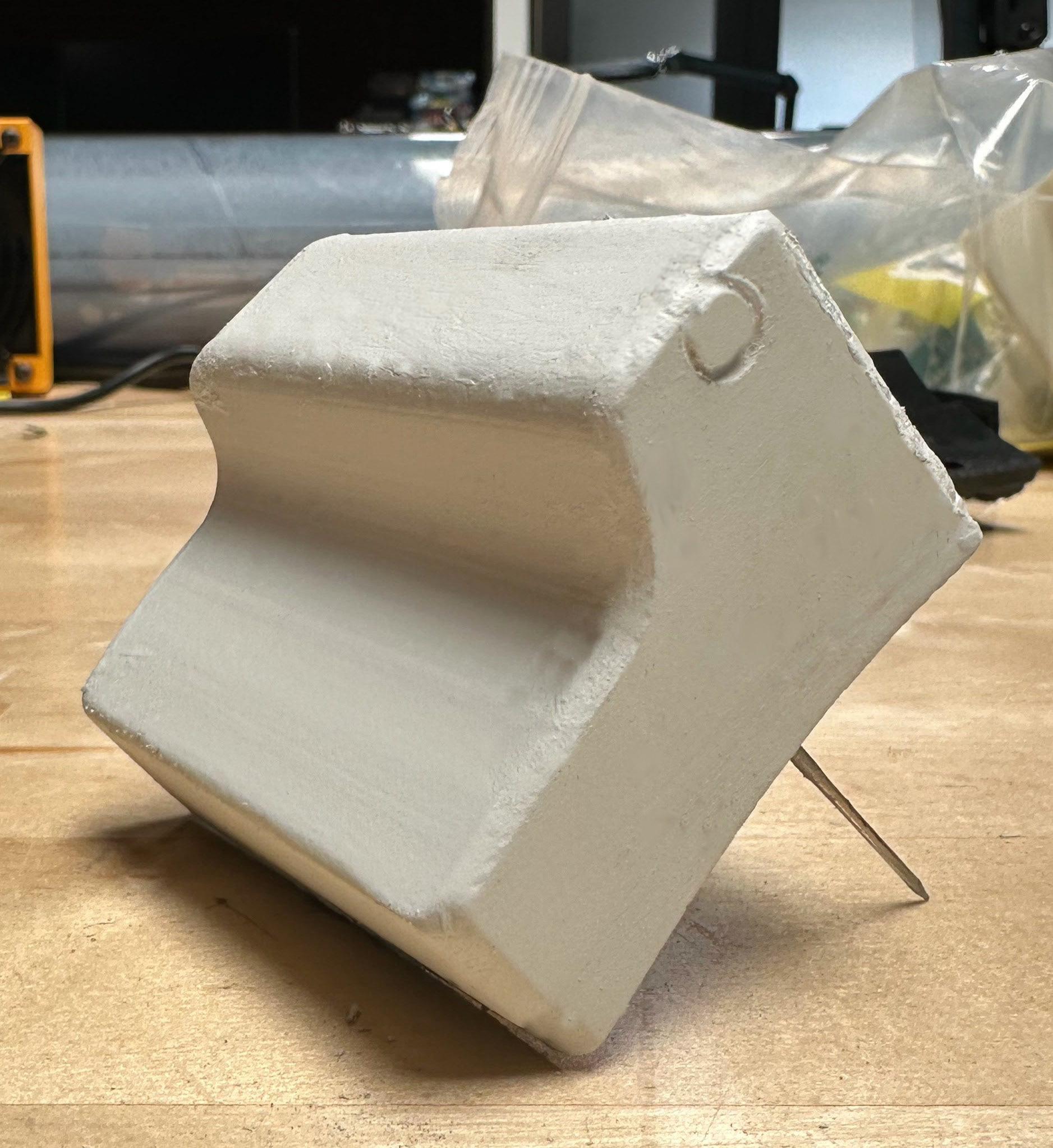
This project was part of my summer internship at Shinkei Systems, a company that automates Ike-Jime, a fish processing technique that produces higher-quality, more sustainable, and more humane seafood. Fish quality depends heavily on staying cold from the moment it leaves our machine until it reaches the processing plant, but almost nothing in that leg of the supply chain is actually measured. The quality team asked me to build a sensor that could confirm that every fish was kept at the right temperature the whole way there.
I started by researching off-the-shelf options, including injectable sensors and existing cold-chain data loggers. None of them met the full set of requirements, so I moved on to designing, building, and testing a sensor from scratch.
Requirments:
Temperature: −40°C to 50°C. Drove battery selection, material selection (isotropic), and handling condensation and pressure changes across temperature swings.
Storage / Battery: 14 days at 1/15 Hz (every 15 seconds). Rechargeable/replaceable.
Sensors: Internal temperature (fish core), ±1°C, Ambient temperature, ±1°C, Accelerometer, for event flags, Clock
Marine Environment: IP68. Corrosion-resistant.
Fisherman-Friendly: Easy to install. Withstands rough handling. Sleek profile so it doesn't snag on the fish. Food-safe and battery-safe materials.
Adjustable for Fish Size / Species: Sablefish, Pacific cod, salmon
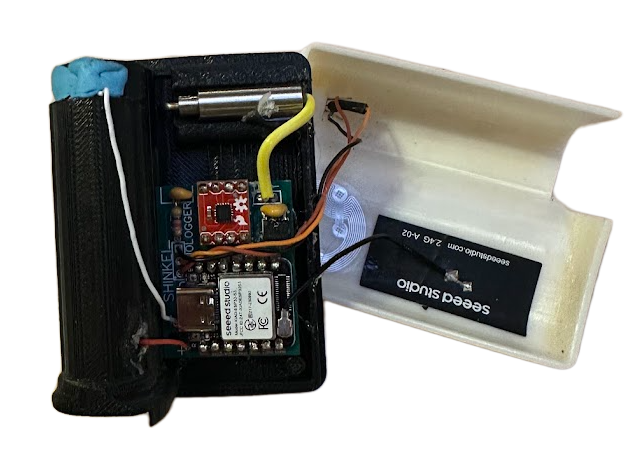
The sensor runs on a Seeed Studio ESP32 soldered directly to a custom PCB, powered by a replaceable 3.6V dry-cell lithium-ion battery, so it keeps working reliably at the low end of that range. The board is fully potted inside a sealed ASA enclosure to survive the cold, moisture, and rough handling of a fishing boat. It logs internal temperature, ambient temperature, and accelerometer data every 15 seconds for at least 14 days on one battery, then serves that data over Bluetooth and Wi-Fi through its own onboard HTML interface. From that interface, the quality team can start a logging run, check sensor health and battery life, pull logged data, and push firmware updates, all without opening the device.
Along the way, I got a lot more comfortable designing enclosures for harsh, cold environments, and test engineering, validating that the potted housing actually sealed through freeze/thaw cycles, and that the sensors and battery held accuracy across a full 14-day run at the cold end of the range, not just at room temperature.
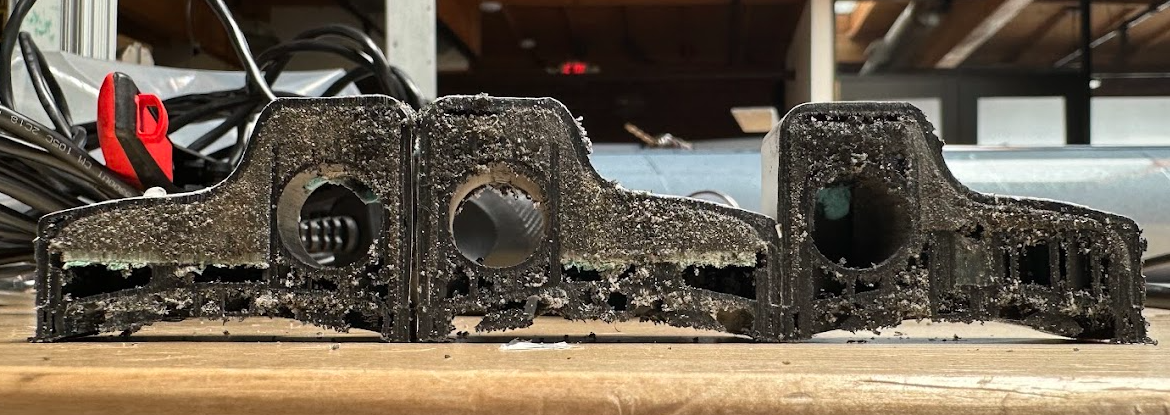
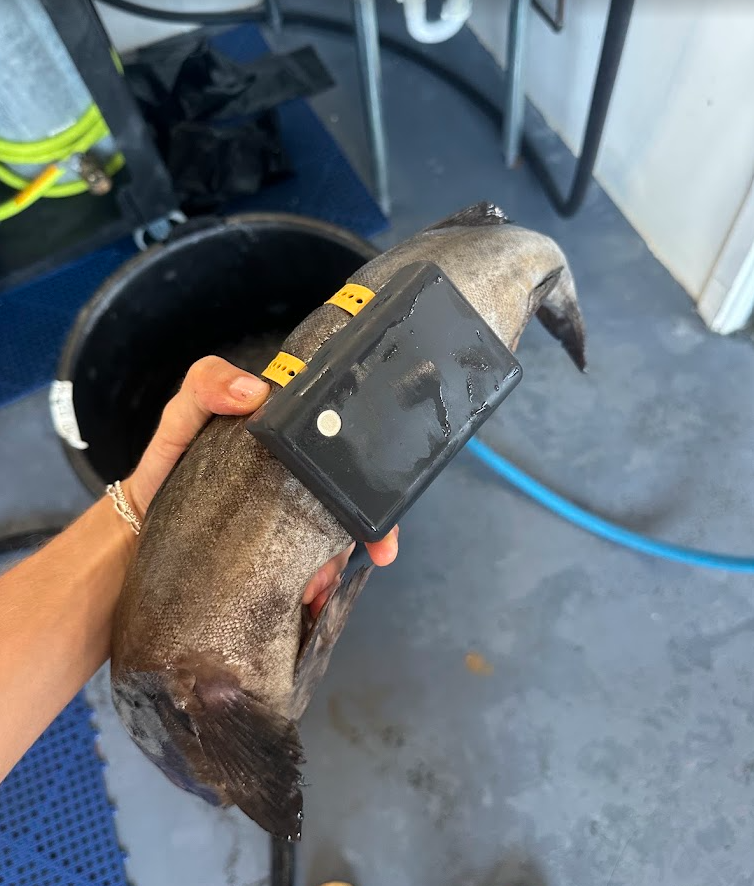
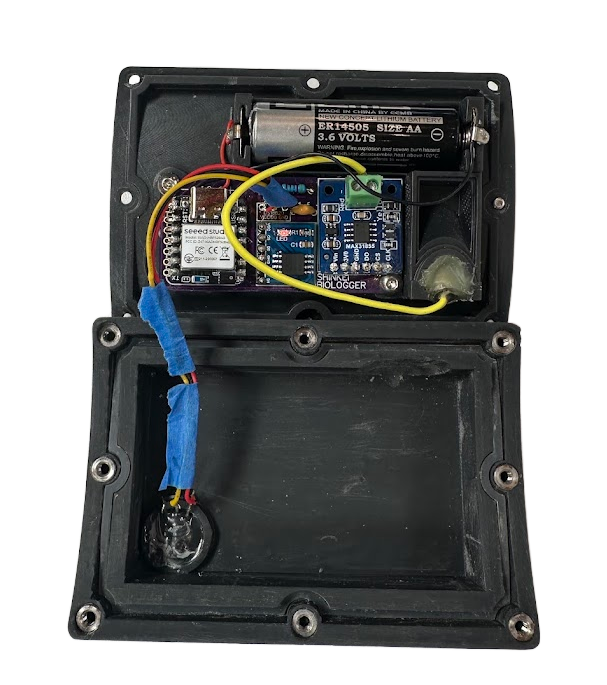
First version of the sensor with a removable lid and a custom gasket, tongue and groove seal.